
15 English Phrasal Verbs for Talking About the New Year [2026 Edition]
There’s something about the start of a new year that makes people feel they should reinvent themselves completely. New habits. New personality. New everything.
But in real life, that’s rarely how change works.
For most of us, 2026 won’t begin with a dramatic reset. It’ll begin quietly. With small decisions. Gentle intentions. A few things we want to do differently, and a few things we’re ready to leave behind.
That’s where language comes in.
If you want to talk about the new year naturally in English, in a way that sounds calm, realistic, and human, then phrasal verbs are exactly what you need. These are the ones native speakers actually use when talking about habits, reflection, and change.

To take up
We use this when we start something new, often a hobby or routine.
I’m thinking of taking up swimming again this year.
To look after
This is about care; for your health, your time, or yourself in general.
I want to look after my physical and mental health in 2026.
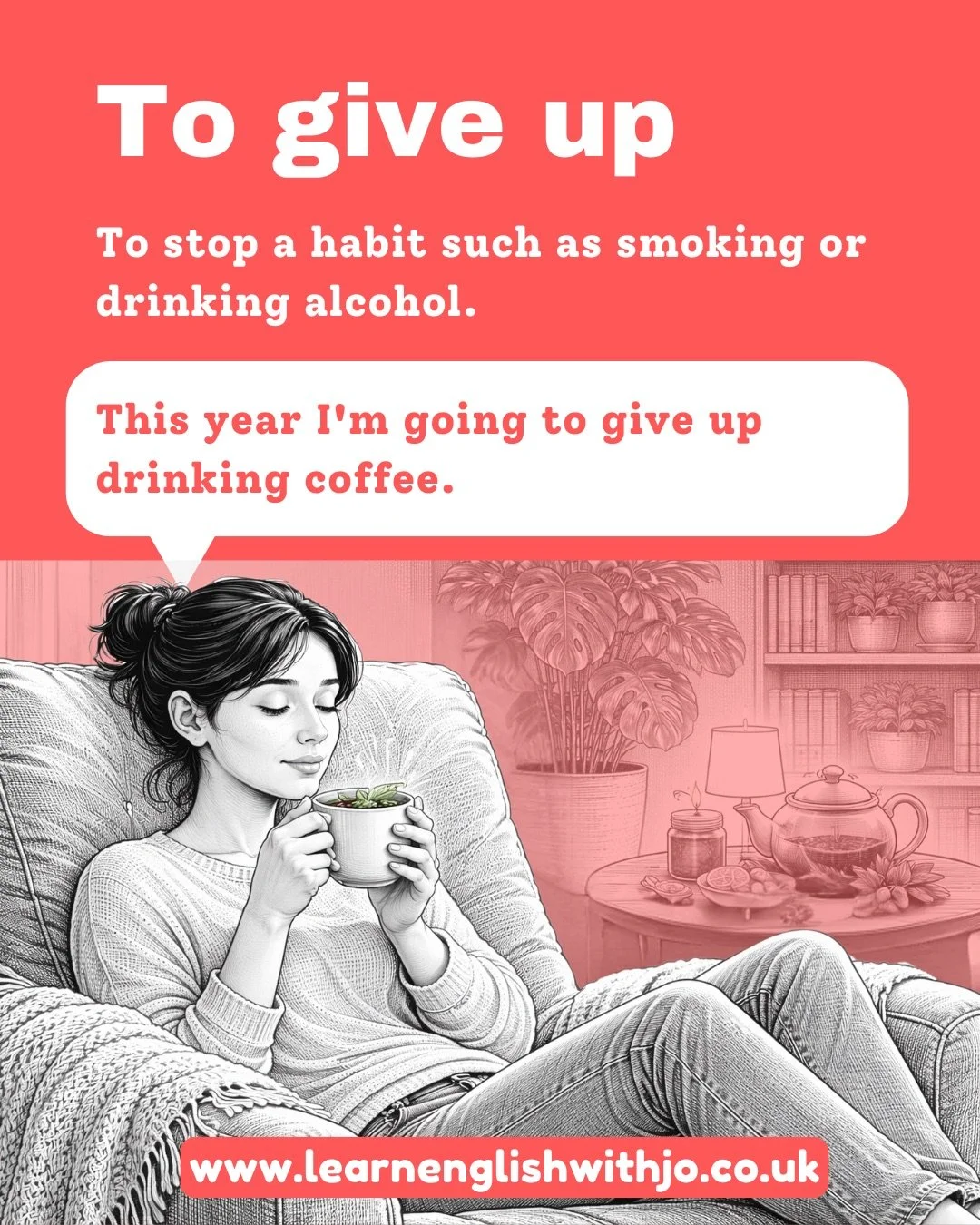
To give up
Often used for habits we want to stop, especially ones that no longer help us.
I’m trying to give up drinking coffee in the afternoons.
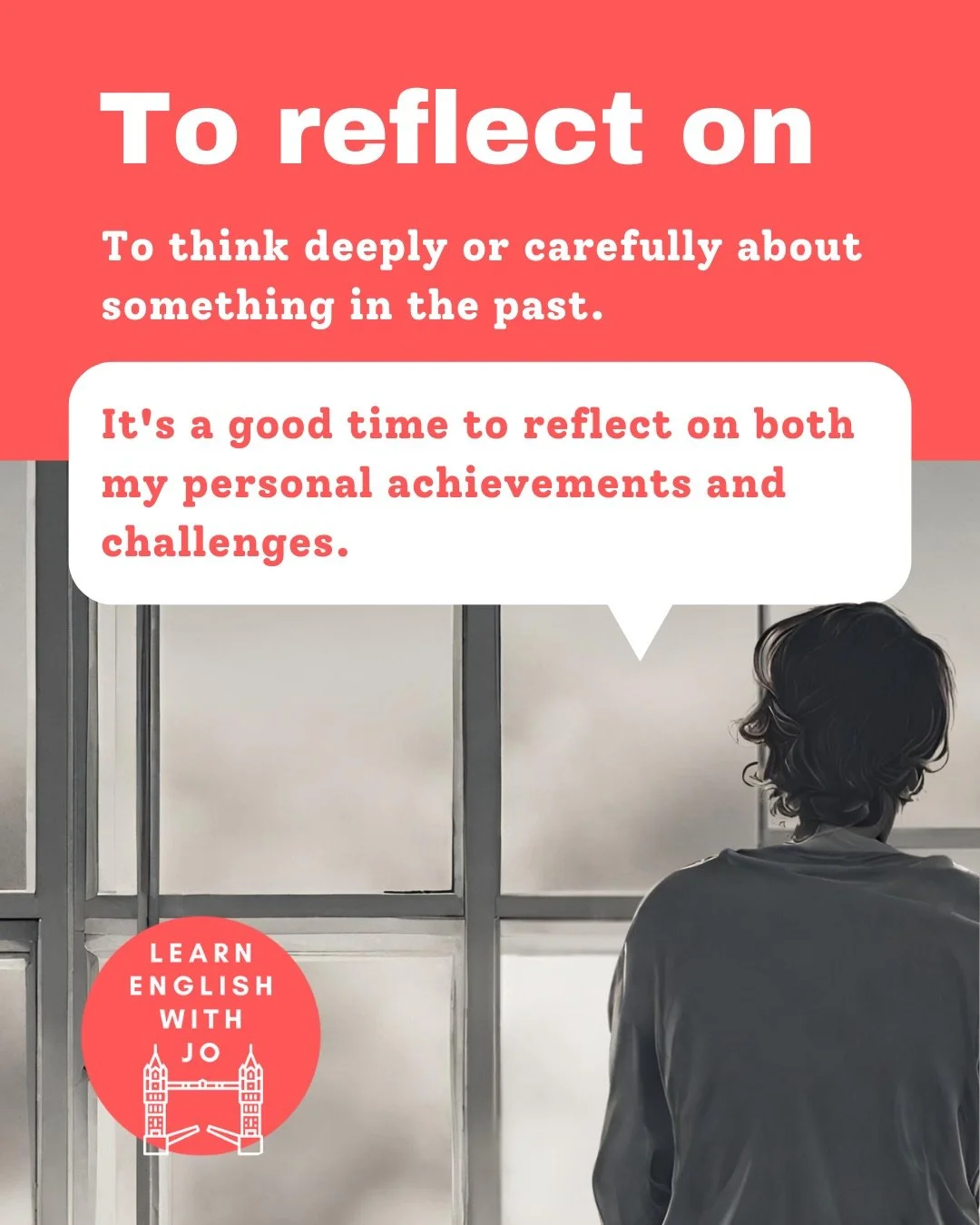
To reflect on
A quieter, more thoughtful verb. This is about looking back without judgement.
At the start of the year, I like to reflect on what worked and what didn’t.

To set out
Used when you begin something with an intention or aim.
I set out to practise my English more regularly this year.
To carry forward
This one is about keeping what’s already working.
I want to carry forward the confidence I built last year.
To look back on
Similar to ‘reflect on’, but slightly more neutral and conversational.
When I look back on last year, I realise how much I learned.
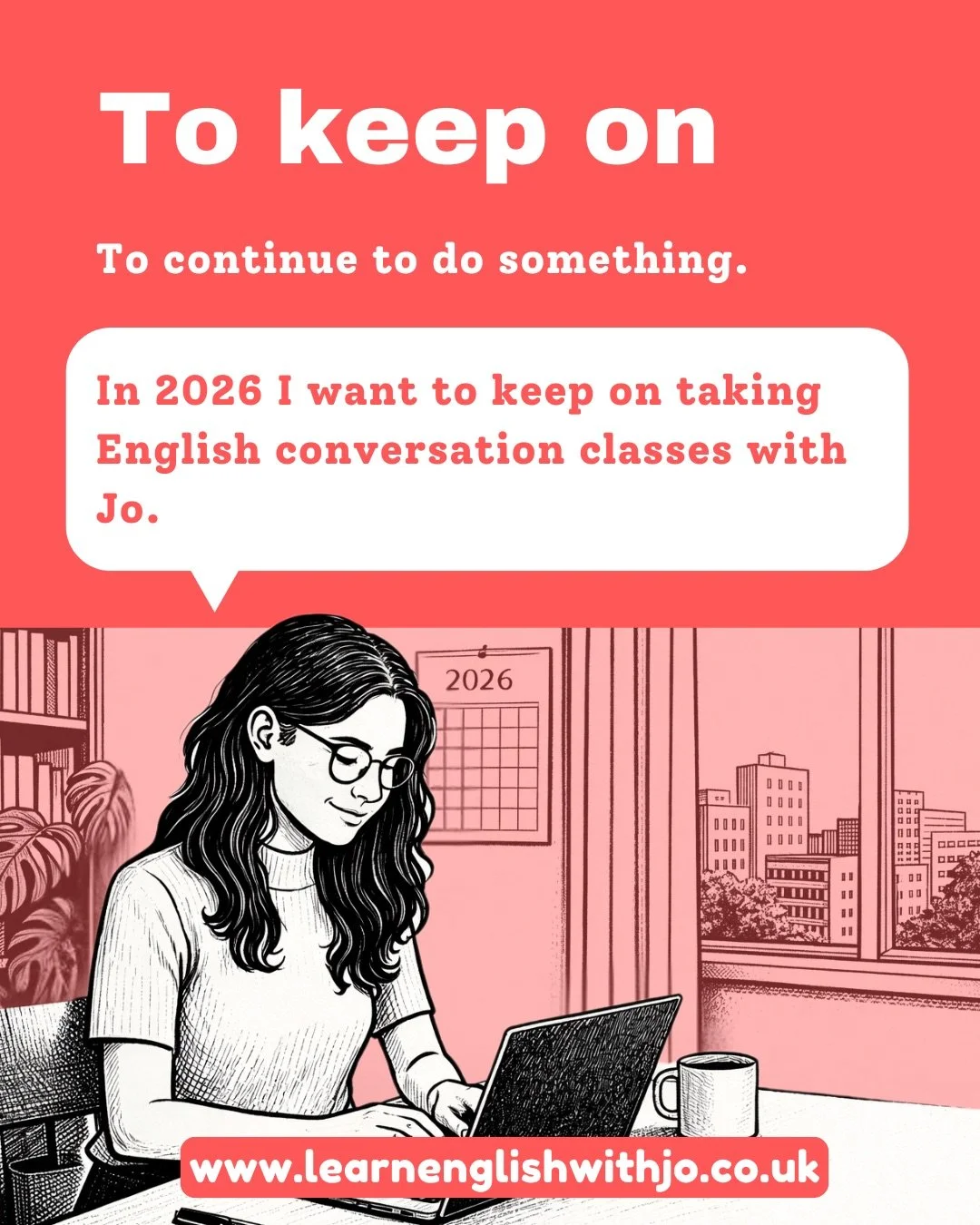
To keep on
Used when you continue, especially when something isn’t easy.
I want to keep on practising, even when I feel tired or busy.
To stick to
This is about commitment, often to routines or plans.
I’m trying to stick to a simple morning routine.
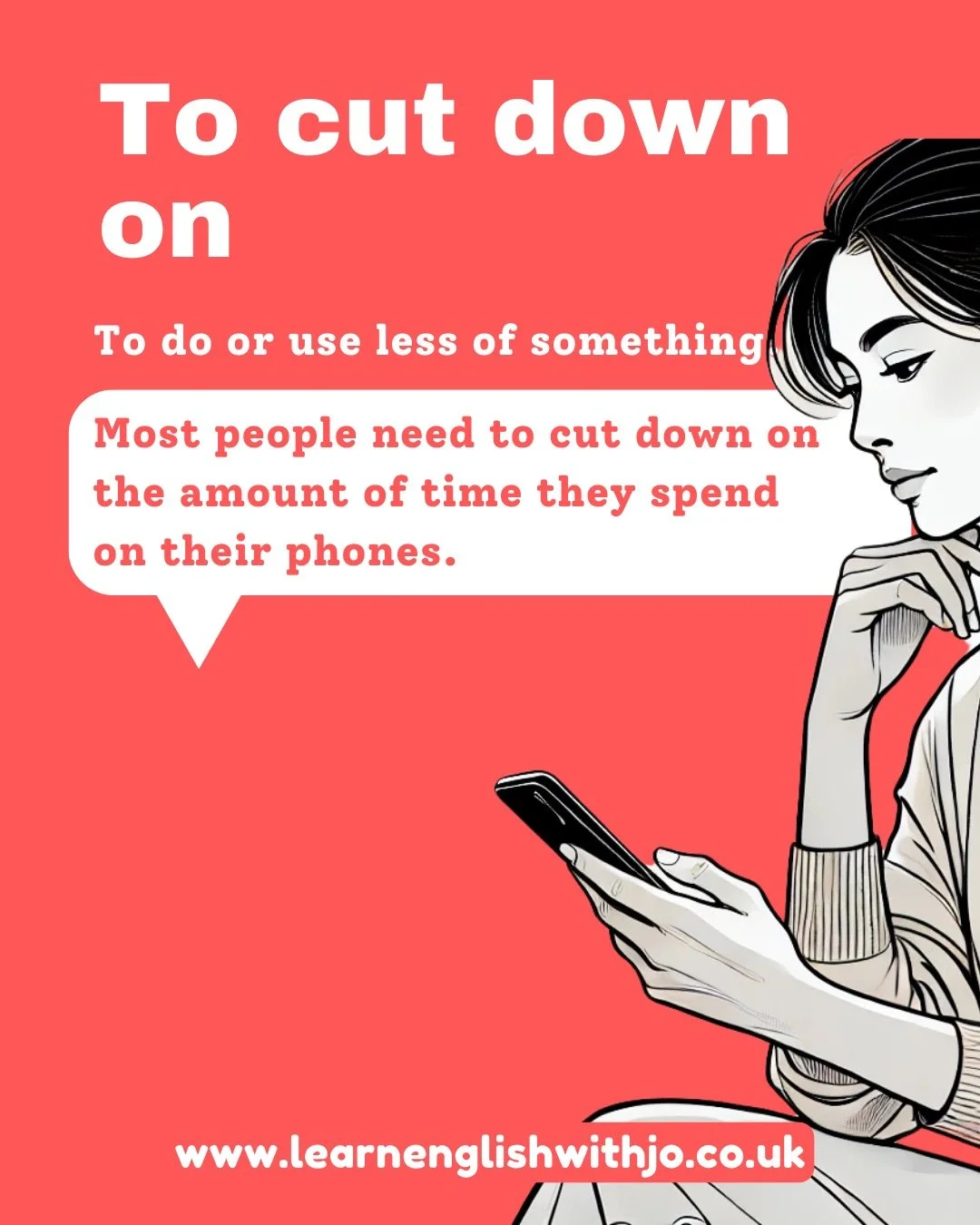
To cut down on
We use this when we want to reduce something, not remove it completely.
I’m cutting down on social media this year.
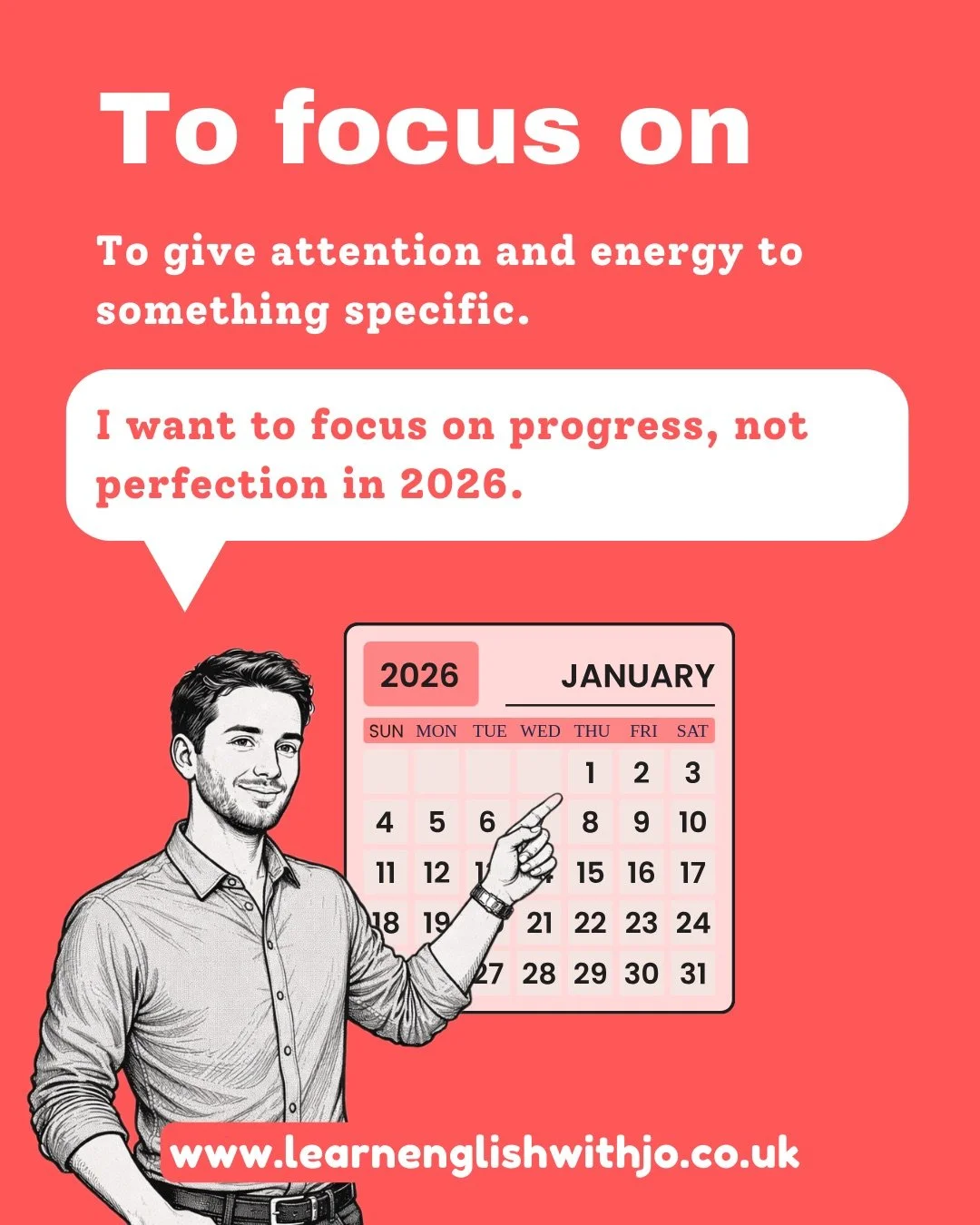
To focus on
A very common, very useful phrasal verb.
In 2026, I want to focus on progress rather than perfection.
To let go of
This is emotional as much as practical.
I’m letting go of unrealistic expectations for myself.

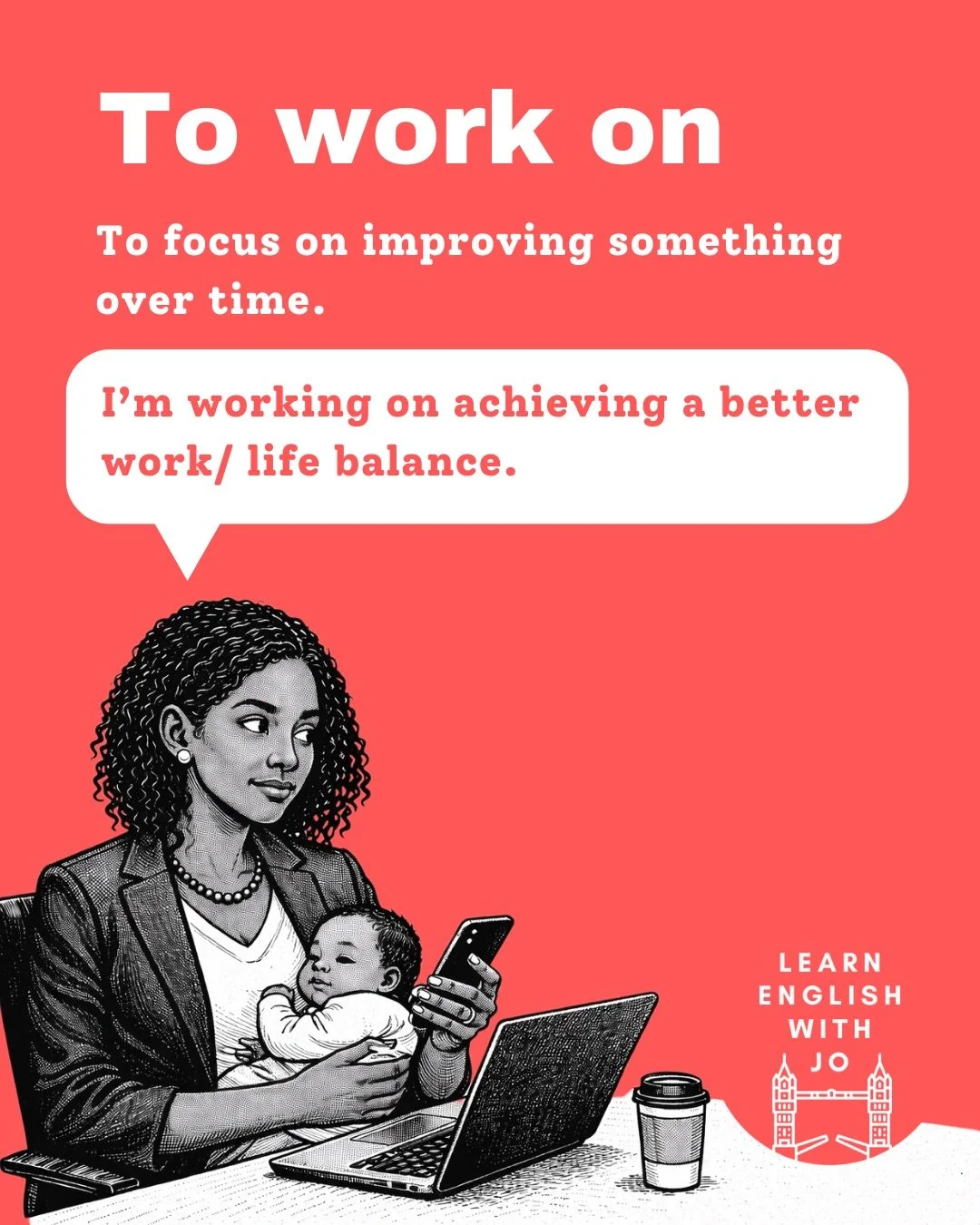
To work on
Used for slow, ongoing improvement.
I’m working on sounding more natural when I speak English.
To ease into
Perfect for anyone who doesn’t want to rush.
I’m easing into the new year instead of putting pressure on myself.
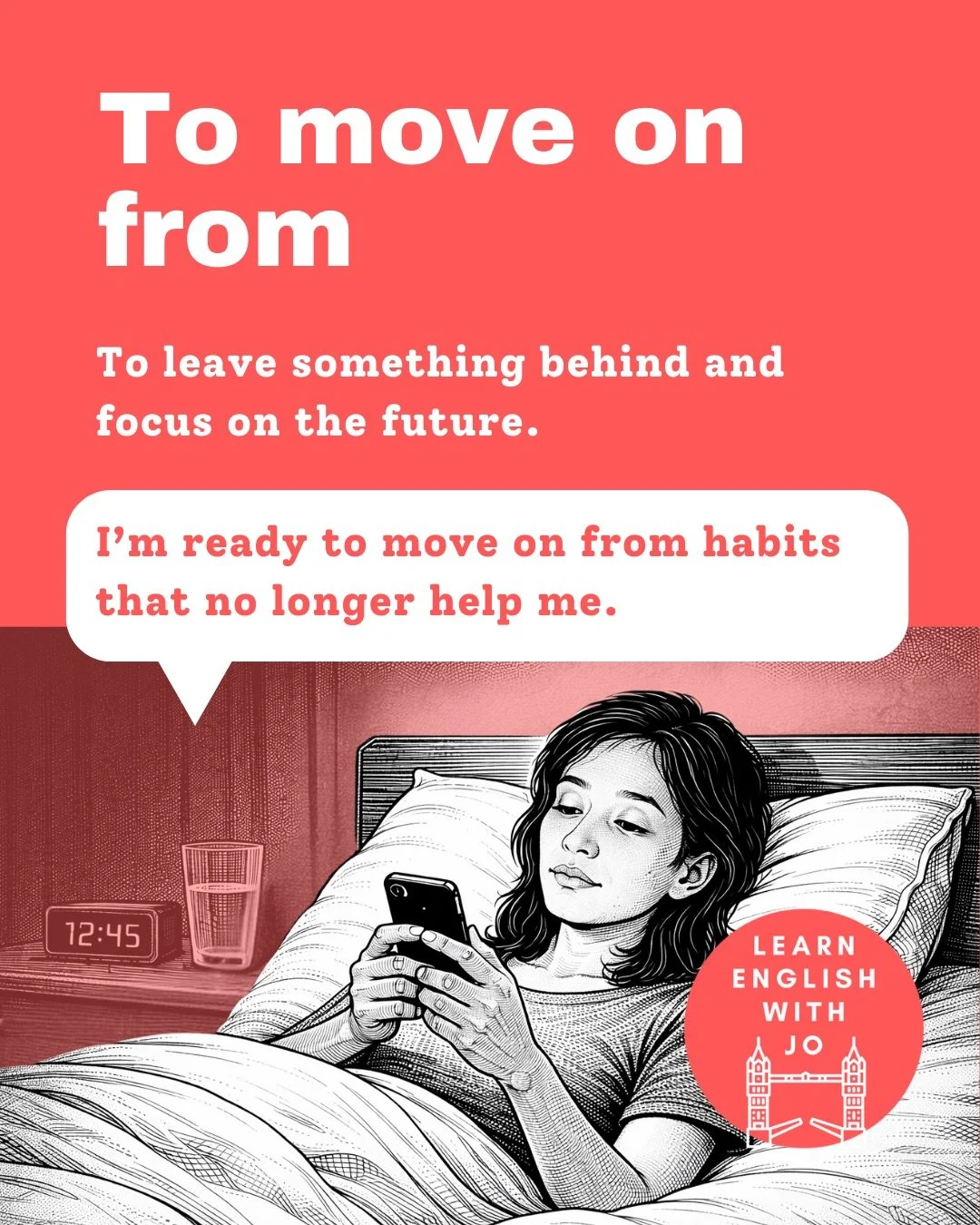
To move on from
This one signals a decision to leave something behind.
I’m ready to move on from habits that no longer help me.
A quieter way to talk about change
What I like about these phrasal verbs is that they allow space. They don’t demand perfection or big announcements. They reflect how change actually happens, gradually, unevenly, and often quietly.
If you’re learning English, try choosing just one or two of these and using them to talk about your own year ahead. You don’t need a long list of goals. You just need language that feels honest and usable.