
9 Natural English Expressions for Talking About Resilience
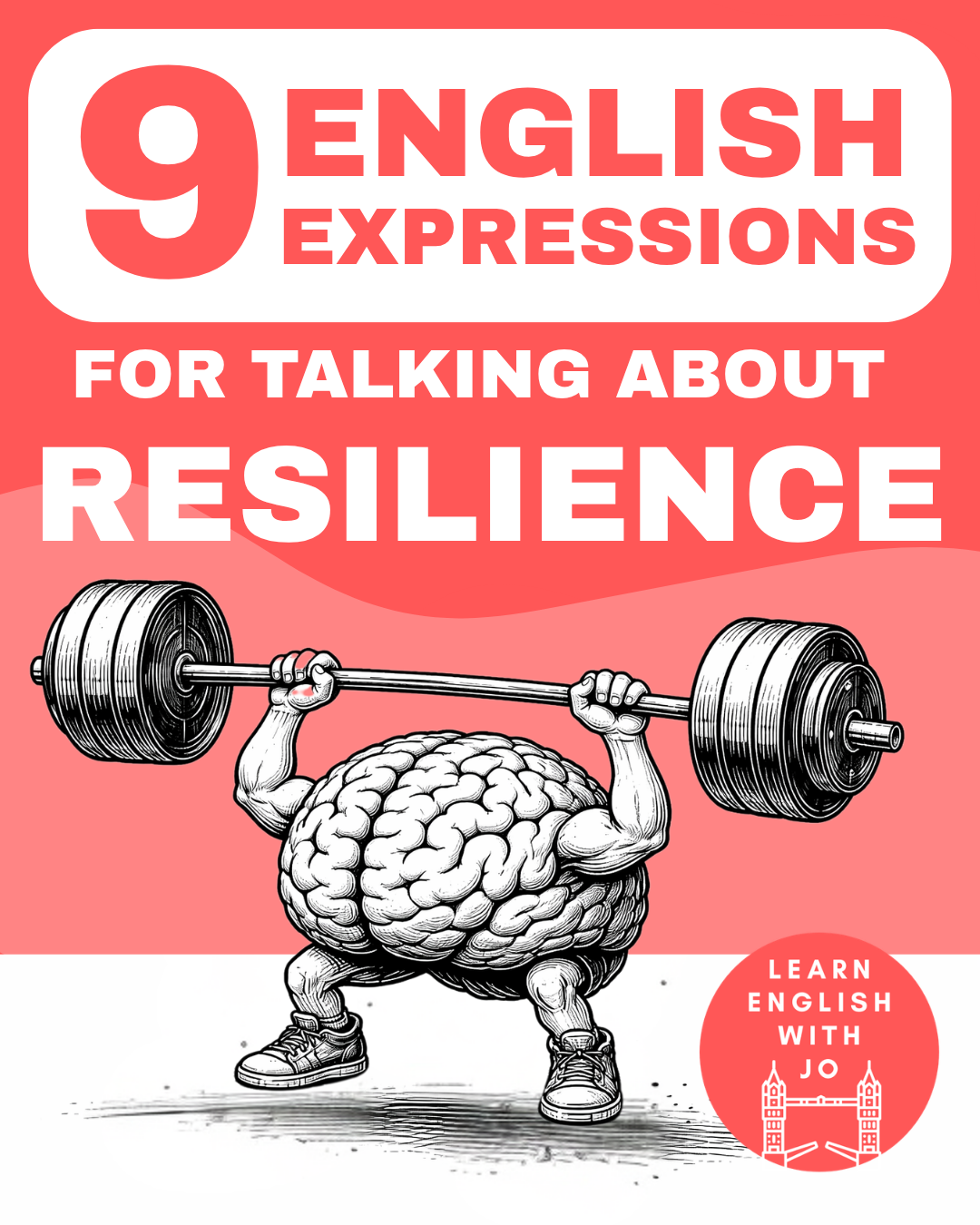
Resilience is one of those ideas that comes up a lot in real life. We hear it in conversations about stress, setbacks, illness, recovery, and difficult periods. But in everyday English, people don’t always talk about resilience directly. More often, they describe the experience around it: keeping going, getting through a hard patch, coping with uncertainty, or slowly starting to feel stronger again.
That is why these expressions are so useful. They help you talk about resilience in a way that sounds more personal, nuanced, and true to life.
Some of them describe survival. Some describe endurance. Some describe recovery. And together, they can help you talk about difficult periods in a more natural and expressive way.
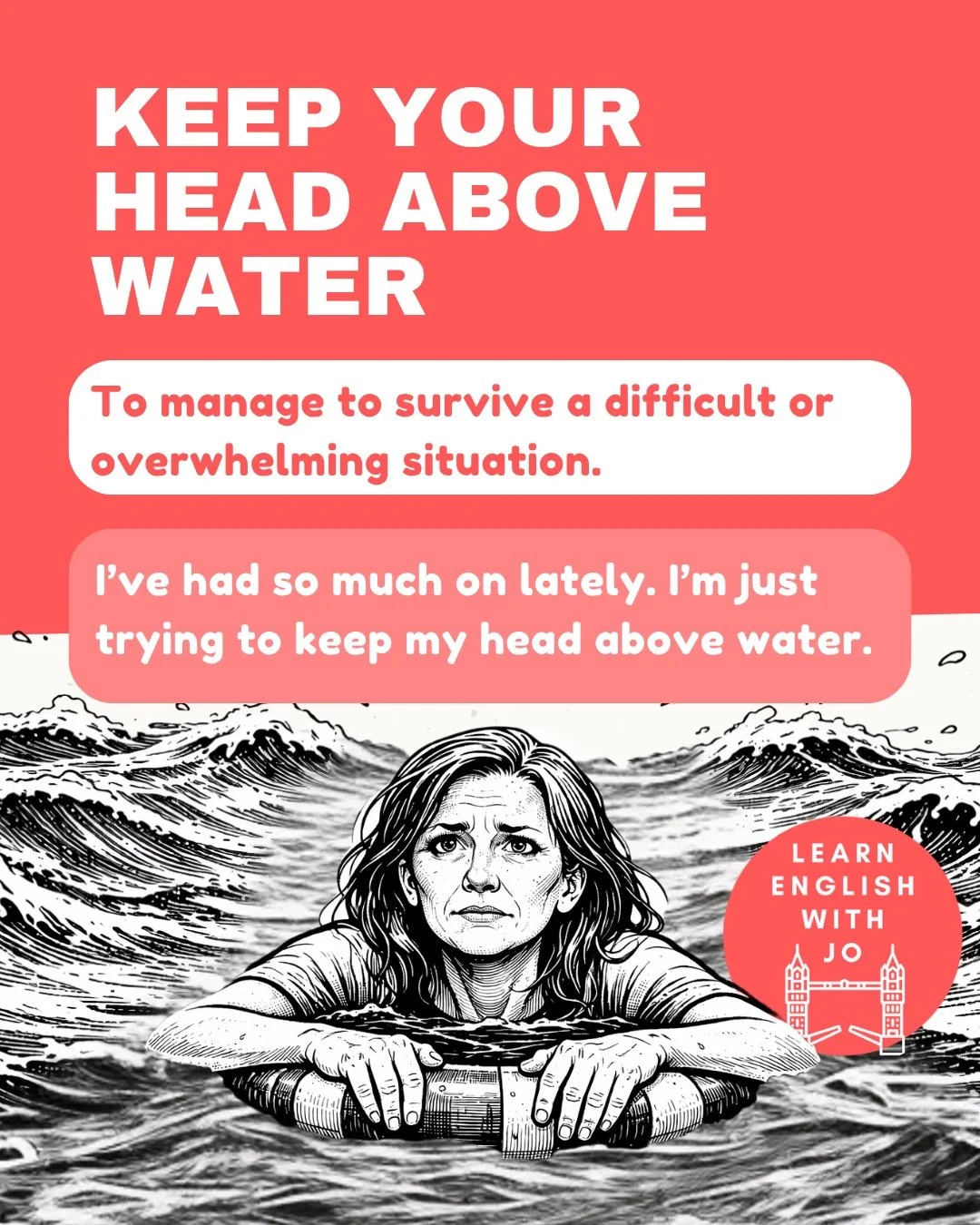
1. Keep your head above water
Meaning: to manage to survive a difficult or overwhelming situation
This expression is often used when life feels heavy, busy, stressful, or financially difficult. It suggests that you are coping, but only just.
Example:
I’ve had so much on lately. I’m just trying to keep my head above water.
This is a very useful expression because it sounds honest and realistic. It does not suggest that everything is fine. It suggests that you are doing your best to manage.
2. Grit your teeth
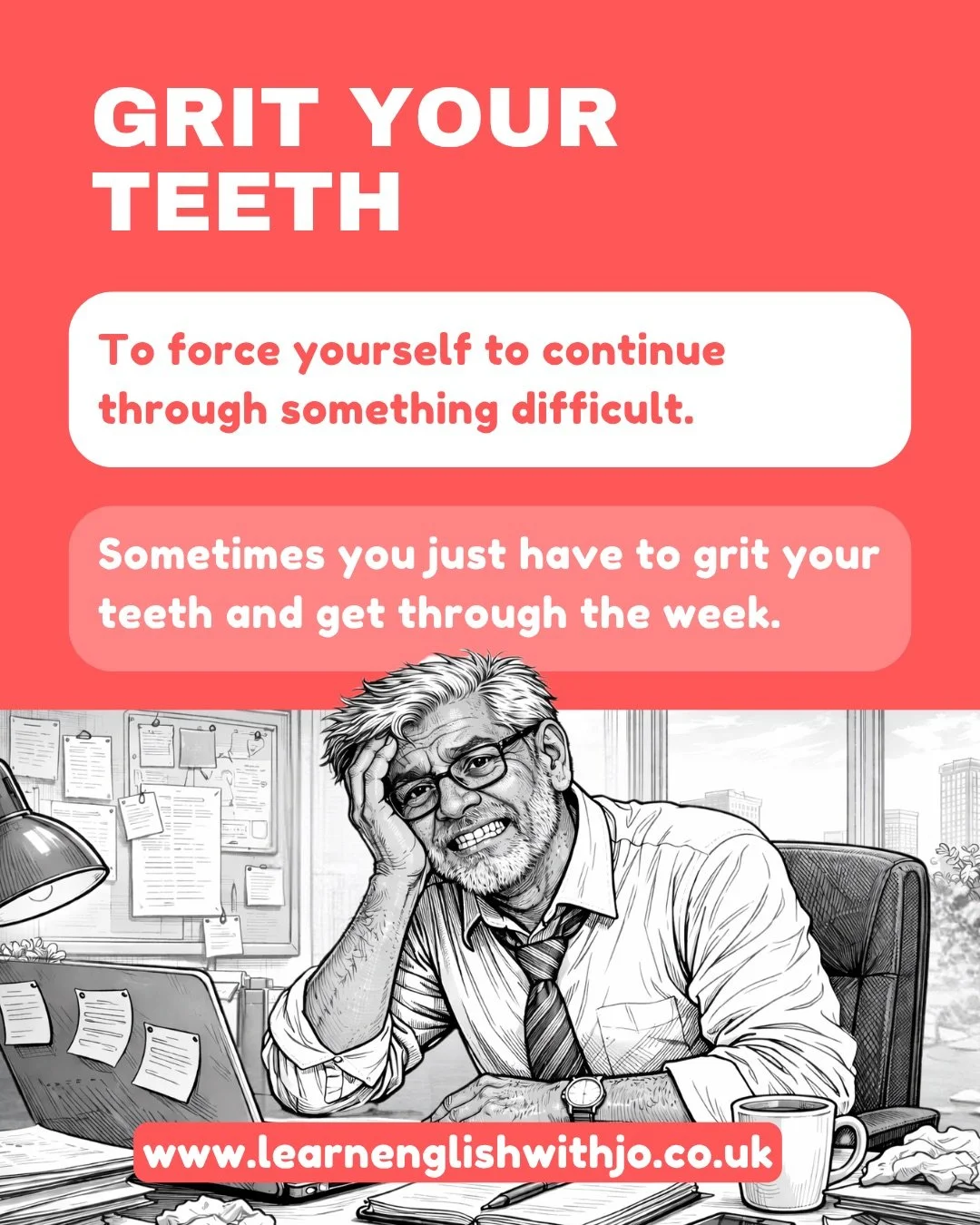
Meaning: to force yourself to continue through something difficult
This expression gives the feeling of tension, determination, and effort. You use it when something is unpleasant, but you know you simply have to get through it.
Example:
Sometimes you just have to grit your teeth and get through the week.
It is a very visual expression, which is probably why it is so memorable.
3. Dig deep
Meaning: to find extra strength, courage, or determination
We often use this when somebody has had to keep going in a really difficult situation and has somehow found the inner strength to continue.
Example:
She had to dig deep to keep going after such a difficult year.
This one works well when you want to talk about emotional strength, not just physical effort.
4. Take it on the chin
Meaning: to accept something difficult or unpleasant bravely
This expression is often used when somebody faces criticism, disappointment, or bad news without falling apart.
Example:
He took the criticism on the chin and carried on.
It has quite a stoic feel to it. There is a sense of accepting the blow and continuing anyway.
5. Take things as they come
Meaning: to deal with a situation calmly, without trying to control everything at once
This is one of my favourites because it feels gentle and realistic. Sometimes resilience is not about fighting heroically. Sometimes it is just about dealing with one thing at a time.
Example:
At the moment, I’m just taking things as they come.
This expression is especially useful when life feels uncertain and you do not have all the answers yet.
6. Get back on track
Meaning: to return to the right direction after problems or disruption
We use this when things have gone off course and we are beginning to regain some structure, focus, or stability.
Example:
It took me a while, but I’m starting to get back on track.
You can use this for work, health, routines, habits, or life in general.
7. Turn the corner
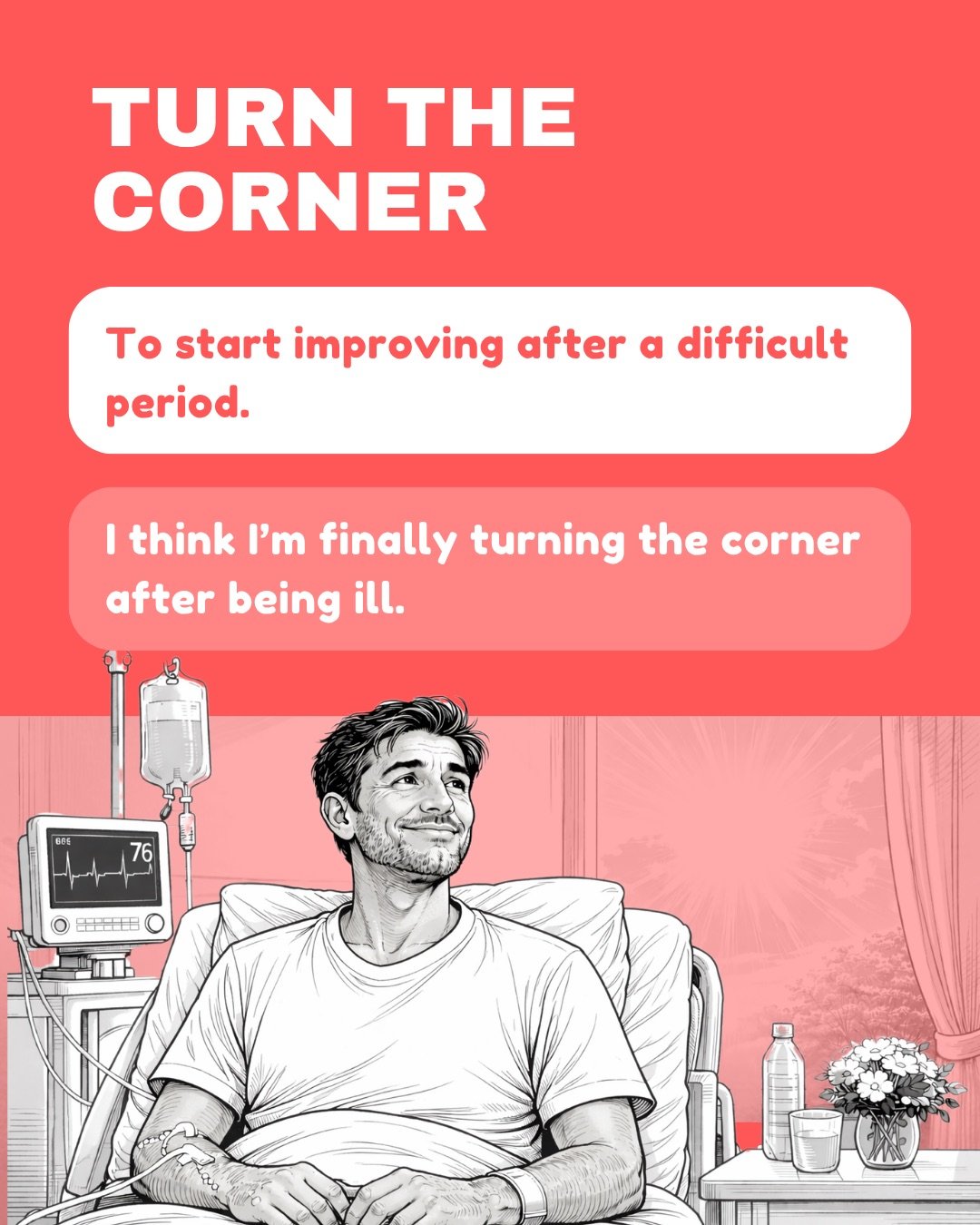
Meaning: to start improving after a difficult period
This expression suggests that things are not completely better yet, but there has been a noticeable shift. You are beginning to come out of the difficult part.
Example:
I think I’m finally turning the corner after being ill.
This is a lovely expression for recovery, especially after illness, burnout, or a hard emotional period.
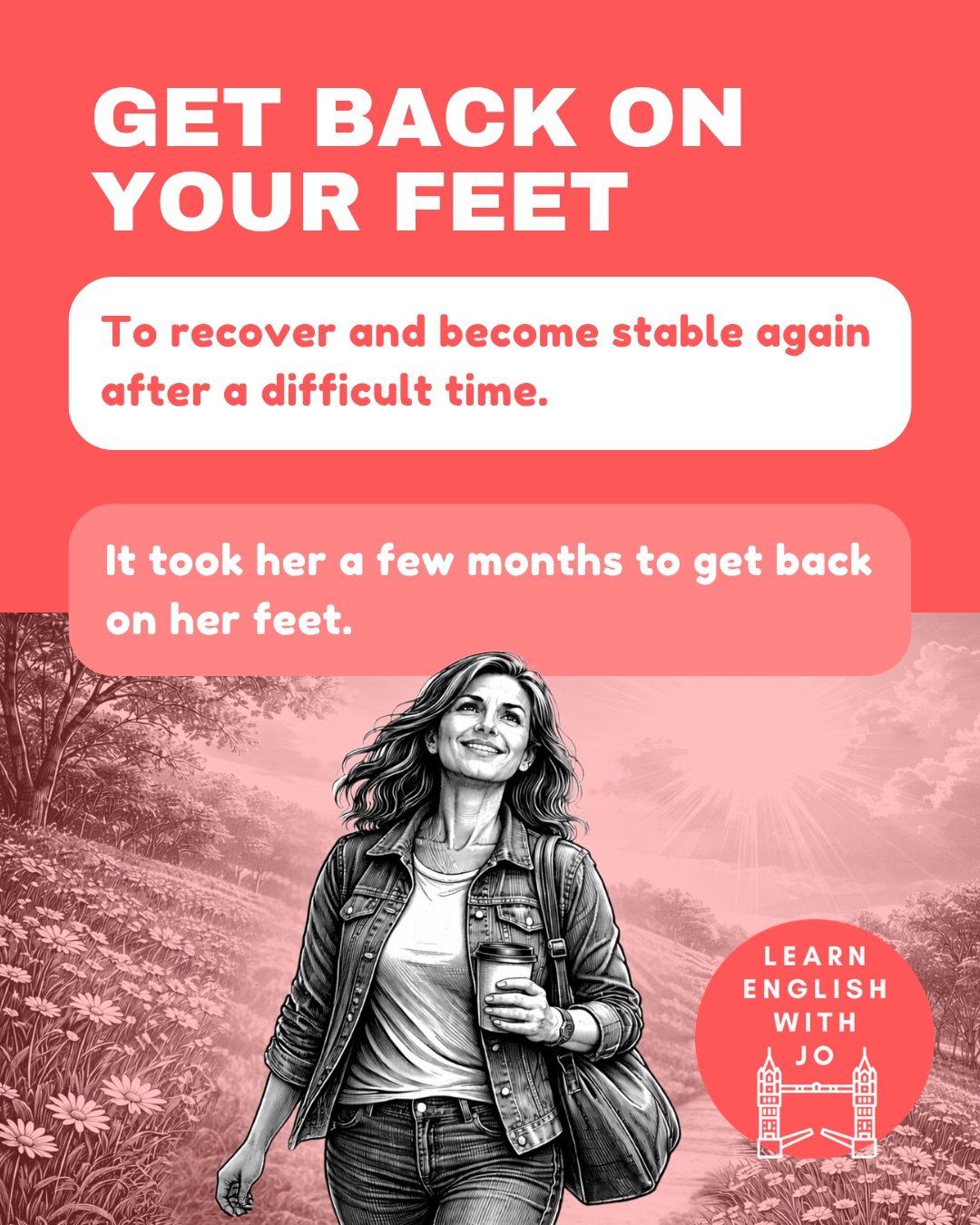
8. Get back on your feet
Meaning: to recover and become stable again after a difficult time
This expression is often used when somebody has been unwell, struggling emotionally, or going through financial difficulties, and is beginning to feel stronger and more capable again.
Example:
It took her a few months to get back on her feet.
There is something hopeful about this phrase. It suggests regaining strength, confidence, and independence.
9. Light at the end of the tunnel
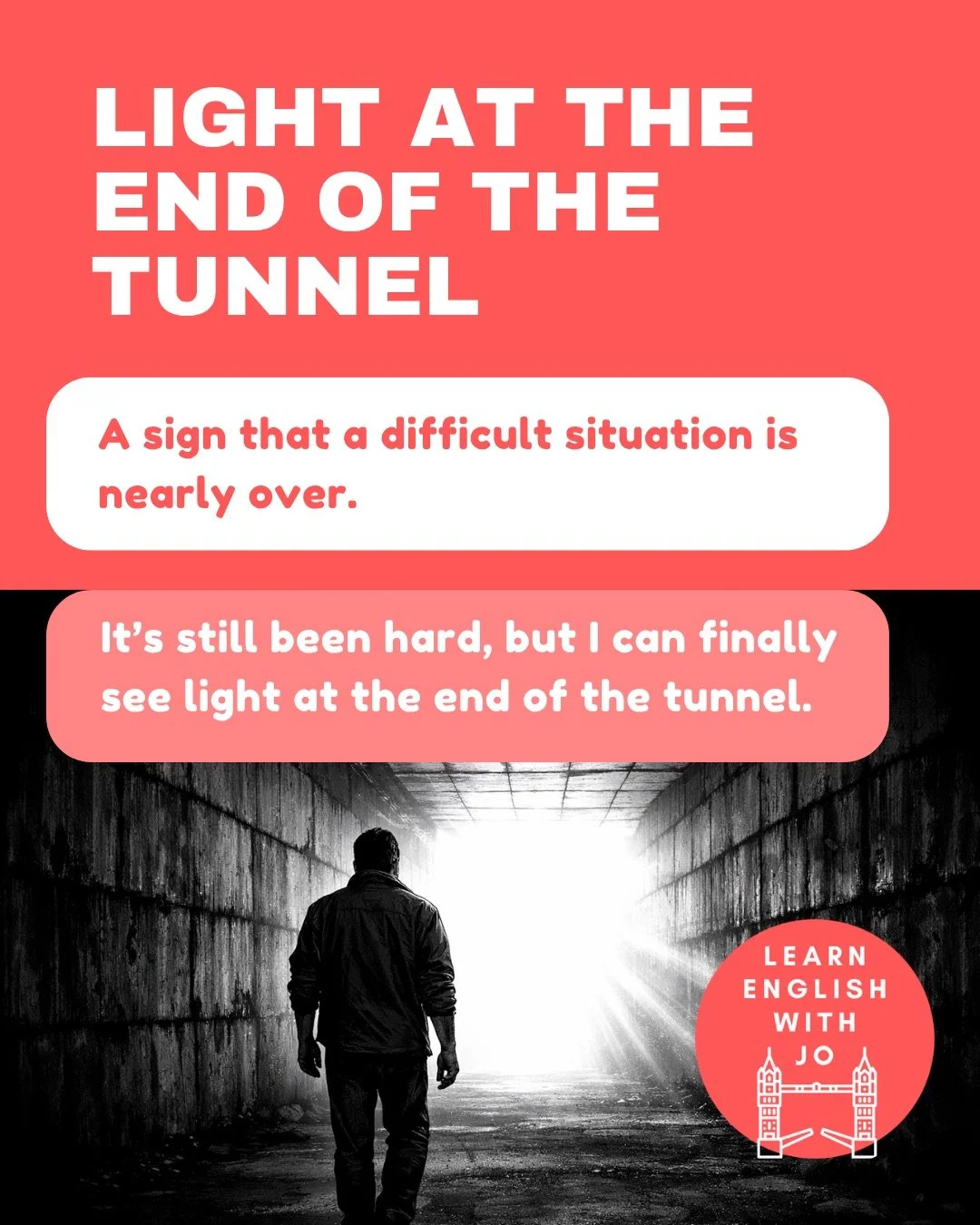
Meaning: a sign that a difficult situation is nearly over
This is probably one of the most recognisable expressions on this list. It is used when things have been hard for a while, but there are finally signs of progress or relief.
Example:
It’s still been hard, but I can finally see light at the end of the tunnel.
It is a useful phrase because it holds both truths at once: things are still difficult, but there is hope.
Why these expressions matter
If you are learning English, it is easy to focus only on cheerful, polished language. We often learn how to talk about goals, success, motivation, and progress. But real life is not always like that. Sometimes we need language for the messy middle. For the hard week. For the slow recovery. For the moments when we are coping, but not exactly thriving. That is where expressions like these become so useful.
And for me, that is a big part of learning a language well. It is not just about sounding correct. It is about being able to sound like yourself.